

Low or negative gross profits mean that costs exceed income and that a company may need to https://www.megafinanceconsultation.com/2024/05/28/statement-of-retained-earnings-explanation-format-9/ reassess its strategy. Gross profit and net profit are two important measures of a company’s profitability. Gross profit is revenue minus the cost of goods sold (COGS), and it doesn’t account for operating expenses, taxes, or interest.
Quiz Time!
This can be useful when determining if there are issues impacting your gross margins. Some common concerns include overpaying for raw materials, setting the wrong product price, or even having more workers than you need. Say you realize you’re losing most of your gross profit to raw material costs. In summary, understanding the difference between gross and net profit is essential for any business.
What is the best bookkeeping method for a marketing agency?
Bennett shifted them from reactive reporting to proactive strategy, installing CFO-level tax planning aligned to how the agency earns and reinvests. Motiv Marketing was a high-performing creative agency, but their tax bill kept ballooning—$352,730 in 2022 and $402,195 the next year—creating major cash drain despite strong revenue. This is why we treat bookkeeping + tax planning + CFO cadence as one system—not separate vendors operating in silos. At Bennett Financials, I see this exact pattern in US-based businesses where CFO-level visibility changes the quality of decisions. They break because delivery, hiring, and cash timing stop lining up—right when growth demands faster decisions.
What Is Cost Basis And Why Is It Important?
Note that when calculating operating profit (EBIT), the amount for interest must be added, as this variable is not taken into account in EBIT. Marketing costs and admin costs together fall under the so-called operating expenses. The operating profit thus indicates the performance of the operating area of the company. Gross margin can be used to evaluate the efficiency of the company over time by comparing gross margin values from past periods. These examples highlight how gross profit varies by industry but follows the same formula.

Your Journey to Business Ownership Starts Here.
Net profit is what remains after subtracting all expenses, including COGS, operating costs, taxes, and interest. Margins will vary significantly by industry, company size, and market conditions. For example, a car dealership in the automotive industry will have a much lower gross profit margin than a bank in the financial services industry. Gross profit margin, also known as the gross profit ratio, is a metric used to determine what percentage of the company’s revenue is profit. A higher gross profit margin will indicate a greater ability for a company to control costs. Gross profit is a critical measure of a company’s operational efficiency and its ability to generate profits.


To calculate gross profit, subtract the cost of goods sold from revenue for a given period. Tailoring products and services to individual needs is becoming a key profit driver. AI-powered recommendations can increase sales and customer satisfaction.
- A gross income amount is reported on a company’s profit-and-loss statement and is typically a standardized calculation for businesses in the same industry.
- Gross profit is a fundamental metric that reflects the profitability of a company after deducting the cost of goods sold from its total revenue.
- Gross profit is an important metric for assessing a company’s efficiency and productivity.
- Need to know how much money your business brings in compared to how much you spend?
- This could indicate that your pricing strategy is off, costs aren’t well-controlled, or raw materials and labor aren’t used efficiently.
- It’s what you get after you take away all the costs from the money you made.
- It provides a percentage that illustrates the portion of each dollar of revenue that remains after accounting for the cost of goods sold.

To find gross profit from net profit, add gross profit in a sentence back all expenses except the cost of goods sold (COGS). It shows whether your business is financially healthy and built to last. Paychex offers funding solutions that help transform your unpaid invoices into working capital now. Analyse your production and take steps to avoid wasting material.
- By comparing two competing businesses’ profits, you can see which spends more efficiently.
- Understanding gross profit is important for assessing a company’s production efficiency and tracking its growth and profitability.
- Gross margin can be used to evaluate the efficiency of the company over time by comparing gross margin values from past periods.
- This highlights the importance of tracking gross profit alongside other metrics like net income.
- Weather and climate risks involve managing unpredictable environmental factors.
- Knowing your gross income is valuable for making business decisions.
This includes both direct labor costs and direct materials costs. In summary, business models are a critical factor in a company’s financial health. Whether you’re reducing costs, increasing revenue, or improving operational efficiency, adapting your business model is key to maximizing profit and achieving your company’s long-term goals.
Role in Investment Decisions
Your operating expenses should include any overhead costs like administrative salaries. Arron Bennett is a CFO, author, and certified Profit First Professional who helps business owners turn financial data into growth strategy. He has guided more than Retained Earnings on Balance Sheet 600 companies in improving cash flow, reducing tax burdens, and building resilient businesses. When investors are considering which companies to support, they want to know their investment will be a good one. Seeing solid gross profits means nothing if non-operational costs are destroying your bottom line. A positive net profit will send the right signals to investors and increase your chances of attracting one.
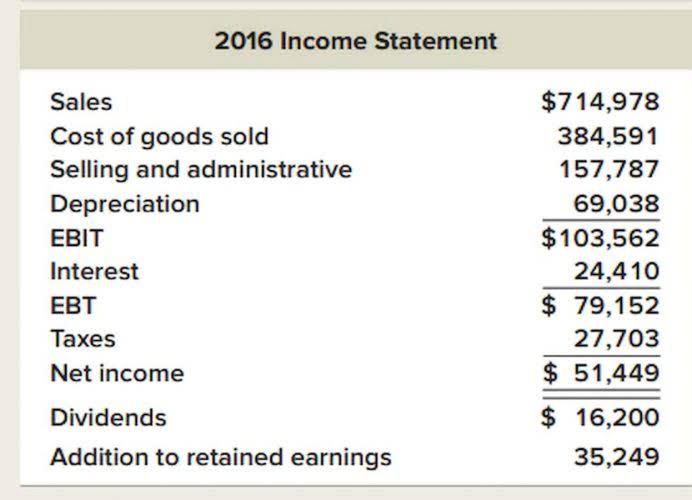
If you’re just looking for a quick breakdown, here’s a side-by-side comparison of gross profit and net profit — including what they measure, how they’re calculated, and why each one matters. When you create an annual budget, include gross profit calculations to forecast company profit. You can reduce material costs by negotiating a lower price with your suppliers. If you’re a large customer who buys materials every month, you may be able to negotiate a lower price based on your purchase volume. Every manager should analyse financial data, including gross profit, in order to improve business results.
